Solar Is Growing. Long-Term System Care Needs to Grow With It.
Solar has changed dramatically over the past two decades. Solar panels that sold for roughly $5 to $6 per watt around 2000 are now selling for about 12 cents per watt, according to a recent Ars Technica article examining the changing economics of solar power.
That decline has helped solar expand around the world. By the end of 2025, global small-scale solar capacity had reached nearly 1.2 terawatts.
But as solar becomes more common, the conversation shouldn’t stop at installation. The industry also has to think about what happens during the 10, 15, 20 or more years that follow.
Solar Ownership Doesn’t End With Installation
Homeowners should understand the systems on their roofs, how to monitor performance, what equipment they have, what solar maintenance may be needed, and where to turn when something isn’t working as expected.
That matters for newly installed systems, but it’s becoming increasingly important for the millions of systems that have already been operating for years.
Some homeowners purchased a home with solar already installed. Others have lost contact with their original installer, or the company is no longer in business. And some simply weren’t given enough information about maintaining and monitoring their system after installation.
Maintaining the Entire Solar System
Solar panels are designed for long service lives, but a solar energy system includes much more than panels.
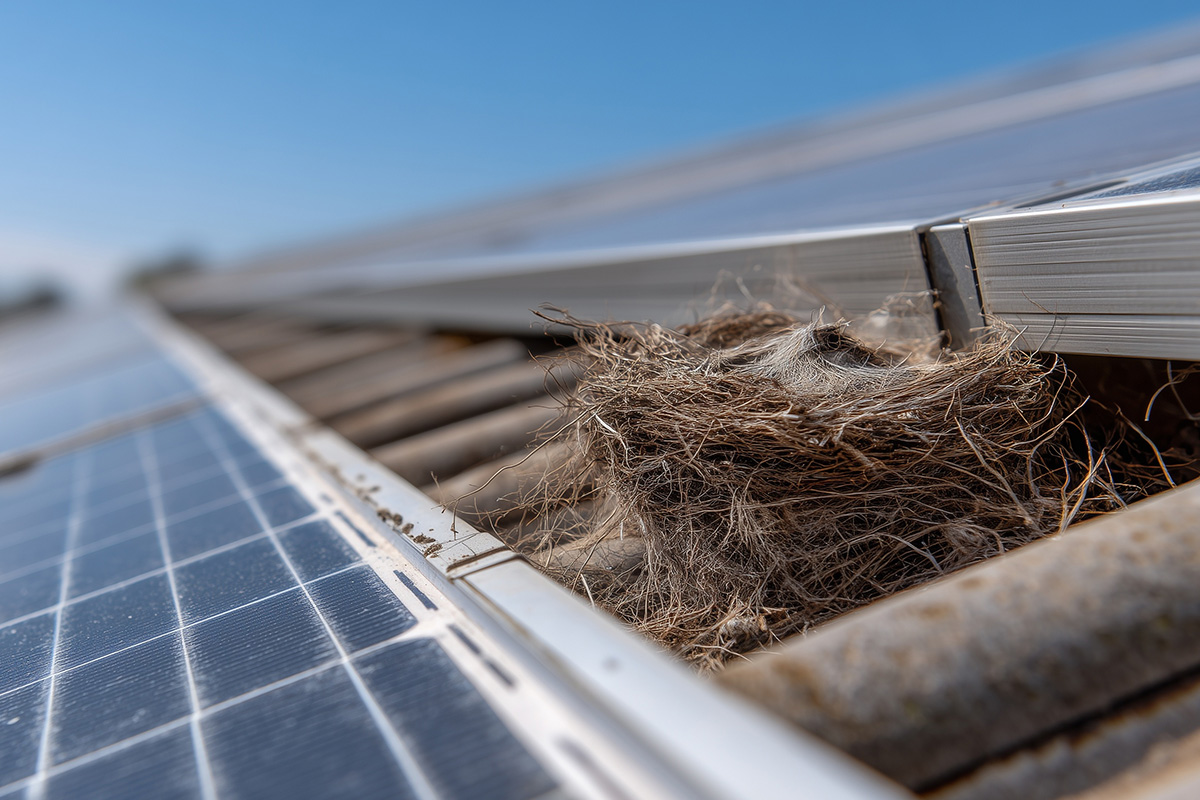
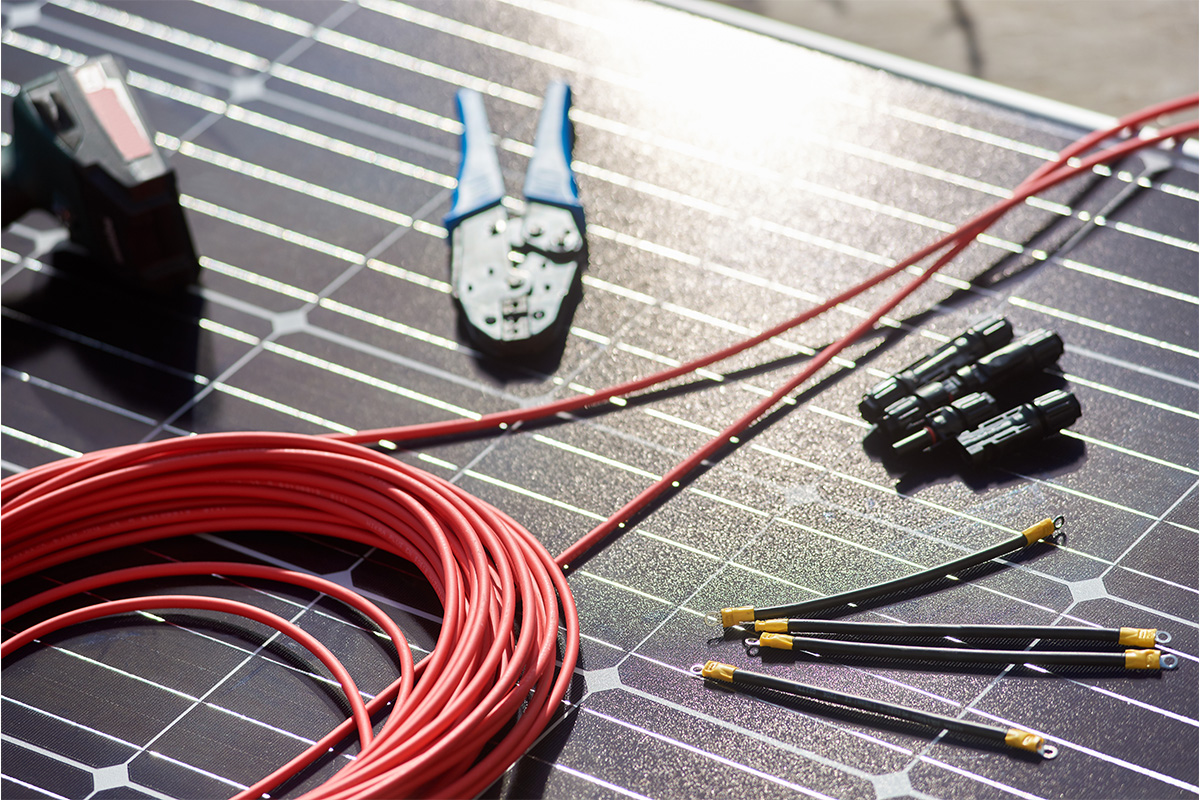
Inverters, optimizers, wiring, connectors, mounting components and monitoring equipment all play a role in performance. Over time, systems can experience equipment failures, communication problems, wiring issues, pest damage or changes in production that require professional solar repair and troubleshooting.
The home can change, too. A roof may need replacement, requiring professional solar panel removal and reinstallation. A homeowner may want to add battery storage. A new owner may inherit a system they know very little about. Long-term solar care means looking at the entire system throughout its life.
Education and Monitoring Matter
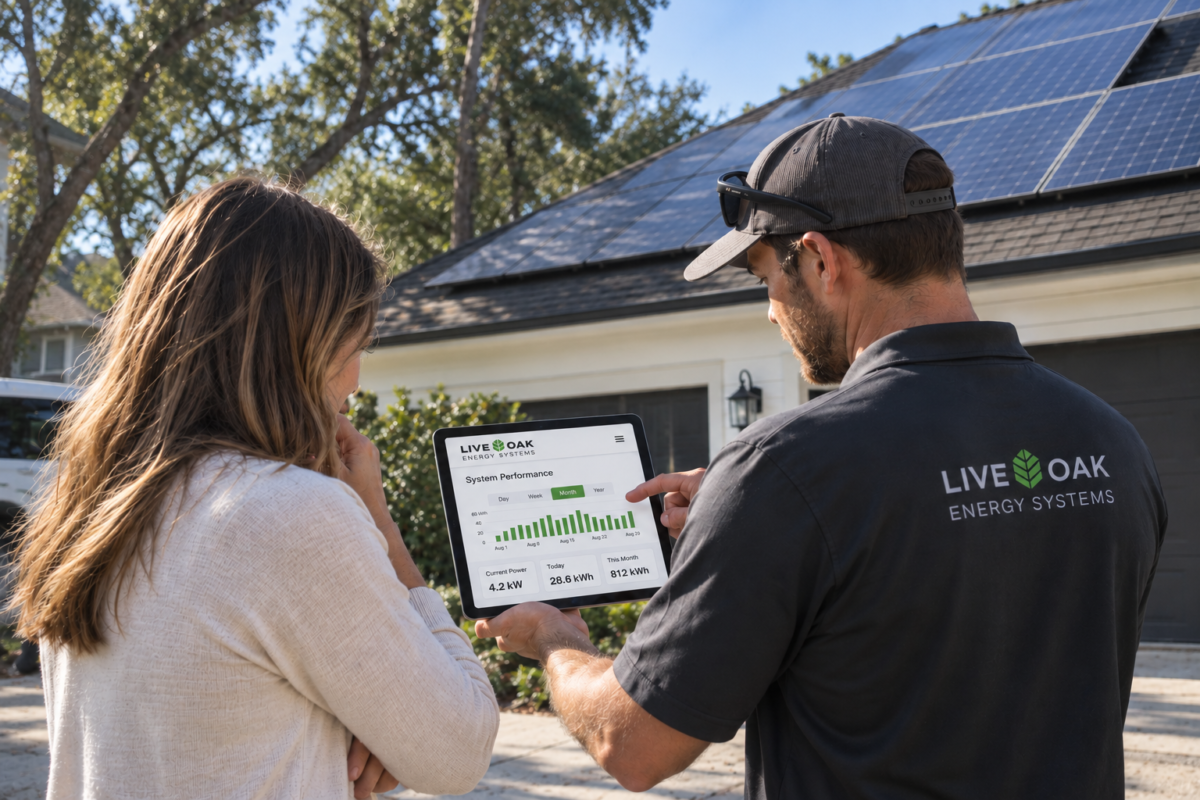
System monitoring gives homeowners valuable insight into production and equipment performance, but access to an app isn’t the same as understanding what it’s telling you.
Homeowners should know how to access their monitoring, understand basic production trends and recognize when a significant change may warrant further investigation.
And that education shouldn’t begin only when something goes wrong.
New solar owners should start with a clear understanding of their equipment, monitoring, warranties and maintenance needs. Owners of older systems may need help recovering that information or understanding equipment installed years ago.
The Next Chapter of Solar
As solar continues to grow, the conversation has to grow with it, from getting systems on roofs to helping homeowners understand, maintain, and get the most from them for years to come.
At Live Oak Energy Systems, much of our work begins after a solar system has already been installed. We help homeowners throughout South Carolina and Georgia with solar repair and troubleshooting, system maintenance, detach and reset for roofing projects, battery storage, and ongoing system support. Just as importantly, we believe homeowners should understand the solar systems they own.
The future of solar isn’t only about installing more panels. It’s about educating homeowners and taking care of the systems already producing power.