If your solar system suddenly stops producing power, it can be hard to tell whether something is actually wrong or if production has simply dropped due to weather or seasonal changes.
Many homeowners start asking the same questions: Is my solar system working? Why is my solar system not producing? What does it mean if my solar system shows “offline”?
Understanding a few basics about how solar systems behave throughout the year can help you quickly tell the difference between normal fluctuations and a real system issue.
Quick Basics: What “Normal” Looks Like
Solar production changes with the seasons. Systems typically produce more power in summer and less in winter as daylight hours shorten. Over time, panels also lose a small amount of efficiency, usually about 0.5% per year. Your monitoring app is the best tool for tracking these trends and comparing current production with past performance.
How to Check If Your Solar System Is Not Producing Power?
Start with these easy checks:
Check your monitoring app or dashboard
Log in to view daily or weekly production (systems from Enphase Energy, SolarEdge Technologies, Tesla, etc. provide this data.).
Compare current production to past performance and watch for alerts or errors.
If you can’t access your monitoring portal, your installer or Live Oak Energy Systems can help restore access.
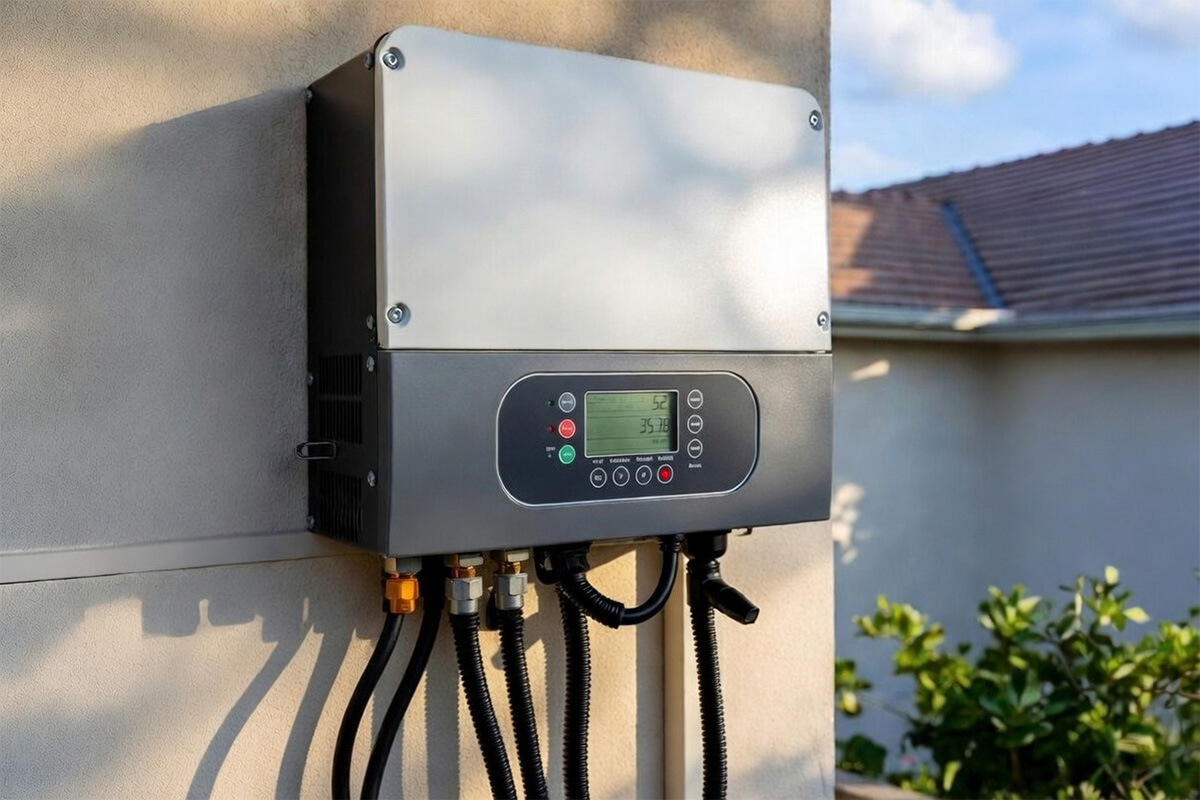
Inspect the inverter
Usually located in a garage or near the panels.
Green lights: normal operation.
Red or flashing lights: possible fault.
A soft hum during daylight is normal.
Check your utility meter and bill
With net metering, your meter may spin backward or show credits on sunny days.
Programs are regulated through agencies like the South Carolina Energy Office and the Georgia Public Service Commission.
Check your recent utility bills. An increase in energy usage or charges may indicate your solar system isn’t producing.
Quick visual check
Look for dirt, debris, storm damage, or new shading from trees or buildings.
If everything looks normal but production is lower, the drop is often seasonal rather than a system failure.
What Does “Offline” Mean?
Zero production (even on sunny days) = offline. This is serious, and call a pro. Common causes:
- Inverter failure
- Wiring/breaker issues
- Grid/communication problems
Red flags: No app data for 24+ hours, error codes (e.g., “No Grid”), full reliance on utility power.
Underperforming vs. Seasonal Dip vs. True Failure
| Scenario | Production Level | Common Causes |
|---|---|---|
| Seasonal Dip | 50–80% of peak | Shorter days, clouds, lower sun angle |
| Underperformance | 70–90% of expected | Dirt, shading, minor inverter or panel issues |
| Fully Offline | 0% | Inverter or wiring failure |
Seasonal dips are normal. However, regular solar panel maintenance helps keep your system performing at its best by preventing buildup from dirt, debris, or shading that can reduce output over time. You can estimate what your system should be producing using the PVWatts Calculator.
When to Call Live Oak Energy Systems
If checks point to a problem (or you’re unsure), contact us. We specialize in diagnostics, repairs, and maintenance work. Many issues are covered under 25-year panel / 10–12-year inverter warranties. Delaying can mean lost savings or risks.
Have questions? Give us a call. We’re here to help keep your system shining!